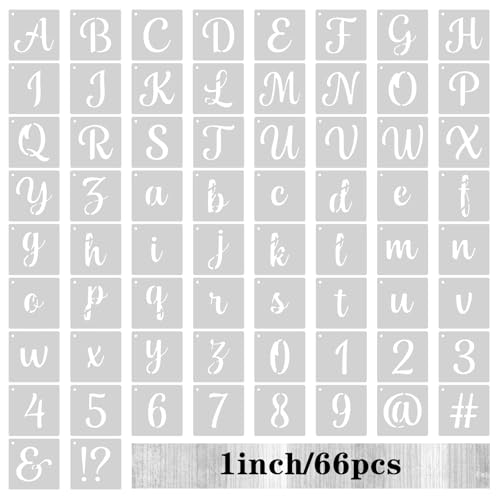
crafting eyecatching custom street signs for beginners
Creating custom street signs can be a fun and rewarding project for any DIY enthusiast. Whether you want to personalise your home, add flair to your garden, or create unique signs for an event, this guide will help you get started. In 2026, the trend for customisation continues to rise, and street signs are no exception.
Understanding Materials
The first step in crafting custom street signs is choosing the right materials. Wood, metal, acrylic, and PVC are popular choices. Wood offers a classic look and can be easily painted or stained. Metal, particularly aluminium, is durable and weather-resistant, making it perfect for outdoor use. Acrylic signs are lightweight and can be very eye-catching with their glossy finish. PVC is a cost-effective option that is also resistant to the elements.
Selecting the Right Tools
Once you have your materials, gather the necessary tools. Essential tools include a saw for cutting your base material, a drill for making holes, and sandpaper to smooth edges. For painting, you will need brushes or spray paint, along with stencils if you want to create specific shapes or lettering. If you are working with metal, a jigsaw or metal cutter may be necessary.
People Also Look For:
- Metal Tin Signs Garden Funny Gardenshed Porch Patio Yard Garden, Gardener Gift Metal Poster Vintage Bathroom Sign Novelty Plaqu Po...
- House Sign Modern Glass Effect Acrylic Door Number Name Road Plate Plaque
- Ajuny Hand Crafted Wooden Decorative Jewelry Box - Tree Of Life Design Carved Multipurpose Handmade Treasure Chest Trinket Holder ...
- Biopracess Madness Novelty Reproduction Street Sign Madness Our House Wall Plaque Decoration Props Plaque 8x12 inch
- Garden Signs, Welcome to My Garden Metal Plaques for Outside, Vintage Wall Art Hanging Iron Painting, Gardening Gifts for Gardenin...
Designing Your Sign
The design of your street sign is crucial for its visual appeal. Begin by brainstorming ideas and sketching layouts. Think about the message you want your sign to convey. Use bold, clear fonts and consider the colour contrast to ensure readability from a distance. Online design tools can assist you in creating a digital mock-up, allowing you to experiment with different styles before committing to a final design.
Creating the Sign
With your materials ready and design in hand, it is time to create your sign. Start by cutting your base material to the desired size. If you are using wood, ensure to sand down any rough edges to prevent splinters. Next, apply a base coat of paint if desired. This can help your design stand out and provide a smoother surface for further decoration.
Adding Text and Graphics
For the lettering and graphics, you have various options. You can hand-paint them using brushes, use adhesive vinyl letters, or even print them out on weather-resistant paper for application. If you opt for hand-painting, consider using stencils for consistency and neatness. For a professional look, you might also consider using a vinyl cutting machine, which allows for intricate designs and precise lettering.
Finishing Touches
Once the text and graphics are in place, it is time for the finishing touches. Applying a clear sealant can protect your sign from the elements, especially if it is going outdoors. Choose a sealant suitable for your material type to ensure longevity. If your sign will be mounted, pre-drill holes for easy installation. You may choose to add decorative elements like lights or frames to enhance your sign's visibility and appeal.
Installation Tips
When it comes to installing your custom street sign, consider the location carefully. Ensure it is positioned where it can be easily seen but does not obstruct paths or traffic. If mounting on a post, ensure the post is sturdy and properly anchored into the ground. If you are placing your sign on a wall or fence, use appropriate anchors and screws for the best support.