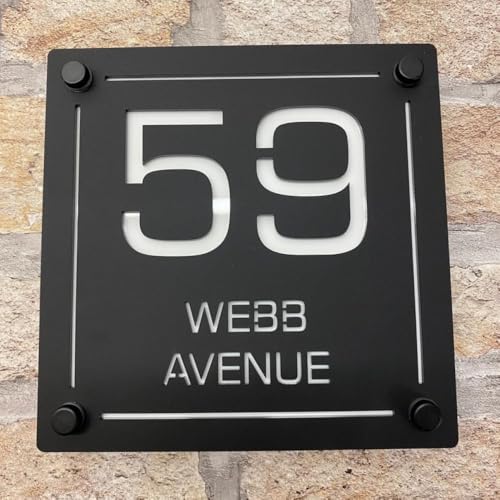
2026 Trends in Custom Street Sign Designs to Follow
As the urban landscape continues to evolve, custom street sign designs are becoming more than just functional objects. In 2026, these signs are reflecting the unique character of neighborhoods while enhancing navigation and safety. City planners, designers, and local communities are recognizing the importance of aesthetic appeal and innovation in sign designs. This article delves into the latest trends that are shaping custom street signs this year, showcasing how they contribute to the identity of urban environments.
Embracing Sustainability in Signage
In 2026, sustainability is at the forefront of design choices across various industries, and custom street sign design is no exception. Many municipalities are transitioning to eco-friendly materials for their signs, such as recycled metals, bamboo, and biodegradable plastics. These materials not only reduce environmental impact but also offer unique aesthetic qualities that can enhance the visual appeal of streetscapes.
For instance, a city might choose to use reclaimed wood for neighborhood signs, showcasing a rustic charm that resonates with local history. This approach not only tells a story but also encourages community involvement in the design process. Involving local artists to create designs or carvings on these wooden signs adds a personal touch, making them a focal point in the area.
Innovative Materials and Techniques
In 2026, the integration of technology into street sign design is becoming increasingly popular. Digital signage is on the rise, providing real-time information that can be especially beneficial in busy urban areas. These signs can display traffic updates, event notifications, and even weather alerts, keeping citizens informed and engaged.
Additionally, the use of reflective materials and LED lights is enhancing visibility. For example, a street sign equipped with LED lights can change colors based on the time of day or current traffic conditions, ensuring that it stands out in various lighting scenarios. This trend not only improves safety but also adds a modern twist to traditional signage.
People Also Look For:
- Metal Wall Decor, Garden Sign, Gift Street Sign – You Don’t Stop Gardening When You’re Old Vintage Metal Wall...
- Quiet Please Filming In Progress 1050x750mm Road Sign - Plastic Temporary Road Street Traffic Safety Sign for Road and Street Work...
- Pink Bee Parties Twin Pack of Teddy Themed Baby Shower Banners in 2 Designs
- Personalised Our Family Street Sign Plaque - Custom Own Names Family Wooden or Acrylic Wall Art Decoration Keepsake Home Décor
- Custom Butterfly Metal Garden Stake Yard Sign, Personalized Butterfly Gardener Name Sign with Stake, Customized Butterflies Outdoo...
Personalization and Community Engagement
Custom street signs are increasingly becoming a canvas for community expression in 2026. Many cities are allowing residents to contribute to the design of their neighborhood signs, fostering a sense of ownership and pride. This trend often involves public art initiatives where local artists create designs that reflect the culture and history of the community.
For example, a neighborhood known for its vibrant art scene might feature signs adorned with murals or graffiti-style lettering. This not only beautifies the area but also attracts visitors, turning ordinary streets into a gallery of creativity. By encouraging community involvement in the design process, cities can create unique identifiers that resonate with local residents.
Interactive Signage
Another exciting trend in 2026 is the rise of interactive street signs. These signs encourage pedestrian engagement through QR codes or augmented reality features. For instance, a sign at a park entrance might include a QR code that links to information about the park's history, upcoming events, and nearby attractions. This interactive element enriches the user experience and promotes community activities.
Moreover, interactive signs can play a crucial role in educating the public about local wildlife, environmental conservation, or historical landmarks. By combining technology with education, cities can create a more informed citizenry while enhancing the overall aesthetic of the area.
Color Psychology in Street Sign Design
Color plays a significant role in street sign design, influencing how people perceive and respond to their environment. In 2026, designers are increasingly considering color psychology when creating custom street signs. Bright, bold colors can draw attention and enhance visibility, while softer hues may convey a sense of calm and tranquility.
For example, a neighborhood focused on wellness and mindfulness might opt for earthy tones and gentle pastels, promoting a peaceful atmosphere. On the other hand, commercial districts may utilize vibrant colors to attract shoppers and create an energetic vibe. This thoughtful approach to color selection helps communicate the character of the area and improves overall navigation.
Smart City Integration
The concept of smart cities is gaining traction in 2026, and street sign design is adapting accordingly. Many municipalities are incorporating smart technology into their signage systems, allowing for seamless integration with urban infrastructure. This includes features like sensors that monitor traffic flow and adjust sign visibility or messaging based on real-time conditions.
For instance, a smart street sign might change its message during peak traffic hours to alert drivers of congestion ahead or suggest alternate routes. This technological advancement enhances not only the functionality of street signs but also contributes to smoother traffic management and improved safety for pedestrians and drivers alike.
Incorporating Cultural Elements
In 2026, the incorporation of cultural elements into custom street sign designs is becoming increasingly significant. Cities are recognizing the need to celebrate diversity and heritage through their signage. This includes using multiple languages on signs in multicultural neighborhoods or incorporating symbols that represent local traditions.
For example, a neighborhood with a strong Hispanic influence may feature bilingual signs that reflect the cultural identity of the area. Additionally, unique symbols or motifs that resonate with local history can be integrated into the design, creating a sense of belonging for residents. This trend not only promotes inclusivity but also enriches the urban fabric by honoring the diverse narratives within a community.