Impact of Street Signs on Community Identity in 2026
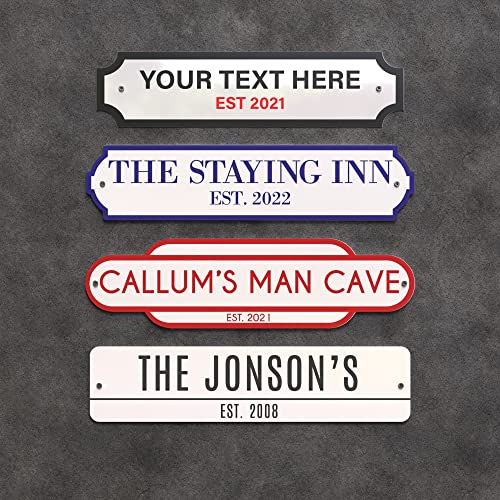
In 2026, street signs play a vital role in defining community identity. As urban areas continue to evolve, the design and placement of these signs reflect the unique characteristics of neighborhoods. Street signs are more than mere navigational tools; they tell a story about the culture, history, and values of the communities they serve. This article delves into the multifaceted impact of street signs on community identity, examining their significance in urban design, cultural representation, and local engagement.
Understanding the Role of Street Signs in Urban Design
Street signs contribute significantly to urban design, influencing how residents and visitors perceive a community. In 2026, cities are increasingly recognizing the importance of cohesive signage that aligns with the overall aesthetic of the area. For instance, a neighborhood known for its historical architecture may opt for classic signage that complements the buildings, while a contemporary district might use sleek, modern designs.
Designing street signs involves a careful balance between functionality and artistry. Urban planners and designers collaborate to create signs that not only provide directions but also enhance the visual appeal of the surroundings. Cities are investing in high-quality materials and innovative designs to ensure that signs withstand the elements while remaining visually striking.
Moreover, the integration of technology into street signage is transforming how communities interact with their environments. Digital signs can display real-time information, such as traffic updates or local events, making them essential tools for community engagement. In 2026, cities are leveraging technology to create interactive signs that invite residents to participate in local initiatives, further solidifying a sense of belonging.
Cultural Representation Through Signage
Street signs serve as cultural markers, reflecting the identity and values of the community. In 2026, neighborhoods are embracing diverse cultural representations through signage. For example, areas with significant immigrant populations are incorporating multilingual signs that celebrate their heritage. This approach not only aids navigation but also fosters inclusivity and respect for the diverse backgrounds that make up the community.
People Also Look For:
- Handmade Unfinished Wooden fillable Letter F, Empty Fillable Letters & Numbers Signs
- SUPERDANT Garden Metal Signs Bee Tin Signs Bee Flower Wall Plaque Funny Poster Art Be Kind Sign Metal Wall Sign for Man Cave Home ...
- Men At Work With Tree Cutting Supplementary Plate 750mm Triangle Road Sign 7001 - Plastic Temporary Road Street Traffic Safety Sig...
- Inga Golf Course Road Signs (St Andrews) Gifts Street Metal Tin Sign/Retro Decor Plaque 8X12 inch
- Personalised House Number Sign Matte Black Contemporary Cut Out Modern House Sign Door Number Plate Printed Address Signage With H...
Local artists are increasingly involved in the design of street signs, infusing them with unique artistic expressions that resonate with residents. Murals and graphic designs on signs can tell stories of local history, important figures, or significant events, creating a deeper connection between the community and its environment. This trend exemplifies how street signs can be utilized as canvases for cultural expression, enhancing community pride.
Case Studies of Successful Signage Projects
Several cities have successfully implemented community-centered signage projects that highlight cultural identity. In 2026, a notable example is found in Portland, Oregon, where the city launched a project to revitalize its neighborhoods through artistic street signs. Local artists collaborated with community members to design signs that reflect the unique character of each area. The result is a vibrant streetscape that not only aids navigation but also fosters a sense of ownership among residents.
Another example can be seen in Miami, Florida, where the city has embraced its multicultural identity by featuring bilingual street signs. This initiative not only assists non-English speakers in navigating the city but also celebrates the diverse cultural fabric that defines Miami. Such projects illustrate how well-designed street signs can enhance community identity while promoting inclusivity.
Enhancing Local Engagement Through Signage
In 2026, street signs are becoming central to community engagement strategies. Neighborhood associations and local governments are recognizing the potential of signage to foster connections among residents. Community boards and informational signs are being strategically placed to promote local events, initiatives, and resources.
These signs often feature QR codes that link to community websites or social media pages, encouraging residents to participate in discussions and activities. For example, a neighborhood might install a sign that highlights upcoming events, local businesses, and volunteer opportunities, thereby motivating residents to engage more actively with their community.
Furthermore, some communities are involving residents in the sign design process, creating a sense of ownership and pride. Workshops and design contests allow community members to contribute their ideas and creativity. This participatory approach not only results in more meaningful signage but also strengthens social bonds within the community.
Real World Impacts of Community-Centric Signage
Street signs that reflect community identity can lead to tangible benefits. Research indicates that neighborhoods with well-designed signage experience increased foot traffic, boosting local businesses. In 2026, urban planners are advocating for community-centric signage as a means to revitalize struggling areas. By enhancing the visual landscape and promoting local culture, these signs can attract visitors and residents alike.
Moreover, when communities take pride in their signage, it can lead to lower crime rates and increased civic engagement. Residents who feel connected to their environment are more likely to participate in community watch programs, volunteer for local initiatives, and invest in the overall well-being of their neighborhoods.
- Enhanced navigation for residents and visitors
- Promotion of local culture and heritage
- Increased community pride and engagement
- Support for local businesses through increased foot traffic
This 2026, the impact of street signs on community identity is more pronounced than ever. As cities evolve, the role of signage in shaping perceptions and fostering connections continues to grow. Communities that prioritize inclusive and representative street signs will undoubtedly enhance their local identity and foster a sense of belonging among residents.