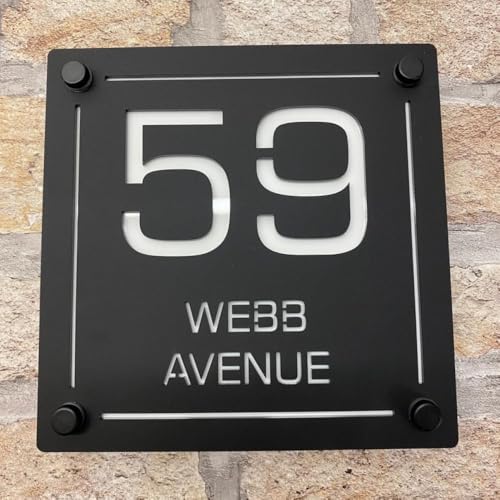
Innovative Street Sign Designs That Capture Attention
As urban environments continue to evolve, the importance of effective street signage has never been more crucial. In 2026, innovative street sign designs are redefining how we navigate our cities. These new designs not only enhance visibility but also integrate technology and creativity, making them more than just functional markers. This article delves into the cutting-edge designs shaping urban landscapes and how they improve communication and safety in our communities.
Trends in Street Sign Design for 2026
In 2026, the emergence of new trends in street sign designs is evident across major cities. One of the most notable trends is the use of smart technology. Cities are increasingly adopting digital signs that can change based on traffic patterns, weather conditions, or special events. This adaptability not only provides timely information but also reduces confusion among drivers and pedestrians.
Moreover, sustainable materials are becoming a focal point in street sign production. Designers are now utilizing recycled and eco-friendly materials to create signs that can withstand harsh weather while minimizing environmental impact. For instance, a city may implement signs made from reclaimed wood or durable composites that reduce the carbon footprint of urban infrastructure.
Smart Signage Systems
Smart signage systems are revolutionizing how street signs function. In 2026, cities equipped with these systems can adjust their messages in real-time. Imagine driving through a city where signs alert you to traffic jams or provide detour information based on live updates. These systems not only enhance driver safety but also improve overall traffic flow. Additionally, integrating QR codes into traditional signage allows pedestrians to scan for more information about locations or events.
Consider a scenario where a city implements smart signs at intersections. These signs not only display traffic rules but also provide alerts about nearby construction, accidents, or even upcoming community events. This level of interactivity fosters a more informed public and empowers individuals to make better travel decisions.
The Role of Aesthetics in Sign Design
The aesthetic appeal of street signs has gained significant importance in 2026. Cities are recognizing that visually striking signs can enhance the urban landscape. Designers are now focusing on creating signs that not only convey information but also contribute to the overall beauty of the environment.
People Also Look For:
- Custom Butterfly Metal Garden Stake Yard Sign, Personalized Butterfly Gardener Name Sign with Stake, Customized Butterflies Outdoo...
- Outer Banks Pogue Life - Outer Tin Sign - Funny Home Decor, Metal Novelty Sign, Man Cave Street Signs, Unique Idea, Pub Bar Wall D...
- 5pcs Vintage Metal Bar Sign Set, Funny Pub Signs for Home Bar and Man Cave Accessories, Rustic Alcohol-Themed Wall Décor for In...
- Personalised House Numbers Plaques Door Numbers House Sign for outside Glitter Acrylic House Number Road Plate Plaque Street Name ...
- sourcing map Mirror Screws, 10mm/0.39", 6Pcs Brass Decorative Cap Screws Cover Nails Fasteners for Mirror Tables Bath Plates Wardr...
Incorporating local art into sign design is one way cities achieve this goal. For example, a city might collaborate with local artists to create unique murals that incorporate street names or directional information. This approach not only beautifies the area but also fosters community pride. Residents feel a sense of ownership over these designs, which in turn encourages them to take better care of their neighborhoods.
Color and Typography Innovations
Innovations in color theory and typography are also transforming street signage in 2026. Designers are now using high-contrast colors and bold fonts that enhance readability from a distance. For instance, using bright yellow and deep blue combinations can make important information stand out, particularly in low-light conditions.
Furthermore, the use of universally recognized symbols has become standard practice. These symbols transcend language barriers and ensure that everyone, regardless of their background, can understand the messages conveyed. This is particularly beneficial in multicultural urban centers where residents speak various languages.
Integrating Community Feedback in Design
Engaging the community in the design process has proven beneficial for cities in 2026. Many urban planners are now hosting workshops where residents can voice their opinions on proposed sign designs. This collaborative approach helps ensure that the final products meet the needs of the community.
Consider a city that is redesigning its wayfinding system. By soliciting feedback from local residents, planners can identify areas where signs are needed most and what types of information would be most helpful. This leads to a more effective and user-friendly signage system. Cities that prioritize community input often see higher satisfaction rates among residents, leading to a stronger sense of connection to their urban environment.
Case Studies of Successful Signage Implementations
Several cities around the globe have successfully implemented innovative street sign designs. For example, in 2026, San Francisco introduced a series of interactive digital kiosks that not only display maps and directions but also highlight local businesses and attractions. These kiosks have received positive feedback for their dual functionality and have become popular among both tourists and locals.
Another example can be found in Amsterdam, where the city has integrated augmented reality features into its signage. Users can point their smartphones at specific signs to receive additional information about landmarks or historical sites, making navigation an engaging experience. This blend of technology and design continues to set a precedent for future urban developments.
Challenges and Considerations in Design Implementation
Despite the advancements in street sign design, challenges remain. Budget constraints often limit the ability of cities to implement innovative solutions. In 2026, many municipalities are exploring partnerships with private companies to share the costs of new sign technologies. This collaborative approach can help cities access the funding necessary for significant improvements.
Another challenge is the need for consistency across signage. As cities adopt new designs, it is essential to maintain a cohesive visual language. Mixed messaging can confuse residents and visitors alike, so developing a clear set of guidelines for sign design is crucial.
Safety Considerations in Sign Design
Safety is a top priority in street sign design. In 2026, designers are focusing on creating signs that are not only informative but also enhance safety. This includes ensuring that signs are placed at appropriate heights and locations to maximize visibility. Additionally, reflective materials are being used to ensure that signs remain visible at night or during inclement weather conditions.
Moreover, incorporating tactile elements into signs can assist visually impaired individuals. This inclusive approach ensures that all community members can navigate the city safely and confidently, reflecting a commitment to accessibility in urban planning.